

Welcome to Marrakech, what we locals like to call the Red City. It’s a place that stays with you. The colors, the smells, the sounds… all at once. Marrakech is incredibly beautiful, but I’ll be honest with you it can also feel a bit crazy, loud, and overwhelming, especially the first time. Even I still get surprised sometimes, and I’ve lived here all my life.
This guide is for travelers who want to see the famous sights, of course, but also want to feel the real heart of Marrakech, not just rush from one photo spot to another. When I’m walking through the city with my clients, many of them tell me the same thing: “This city is intense, but we love it.” And that’s exactly Marrakech.
Behind the noise, there’s a rhythm to the city. Small moments, quiet corners, friendly faces. If you know where to look and when to slow down, Marrakech opens up in a very special way.
The Top 10 List of Things to Do in Marrakech
1- The Medina and the Souks
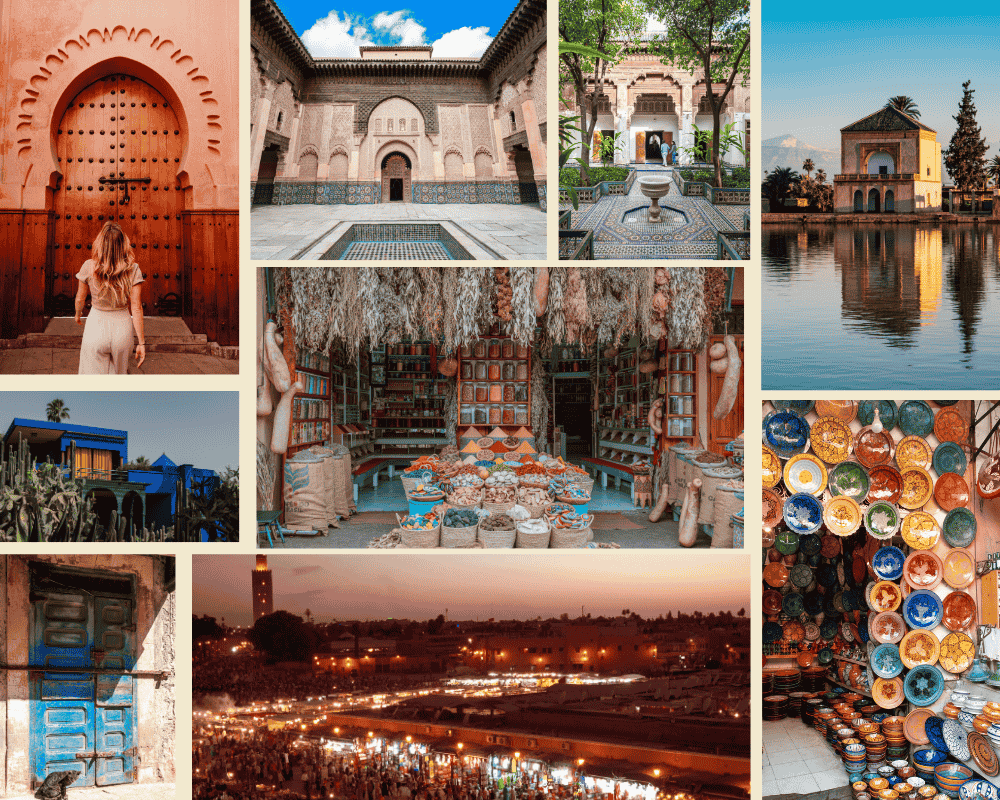
The Medina is where Marrakech truly lives. Small, winding streets, faded red walls, hidden courtyards, and daily life happening right in front of you. As you walk, you’ll pass spice sellers, leather shops, tailors, and tiny workshops that haven’t changed much in decades. I always tell travelers not to hurry here, the Medina rewards those who slow down and observe.
Try to step away from the main souk paths and look for Haddadine, the iron workers’ street. You’ll hear the sound of hammers before you arrive. Local craftsmen shape metal by hand, sparks flying, completely focused on their work. When I bring clients here, this is often the moment they say, “Now this feels real.”
What others miss: visit around 8:30 AM. The streets are calm, shopkeepers are just opening, and the air is fresh. It’s the best time to feel the Medina before the crowds take over.
2- Jemaa el-Fnaa Square at Sunset
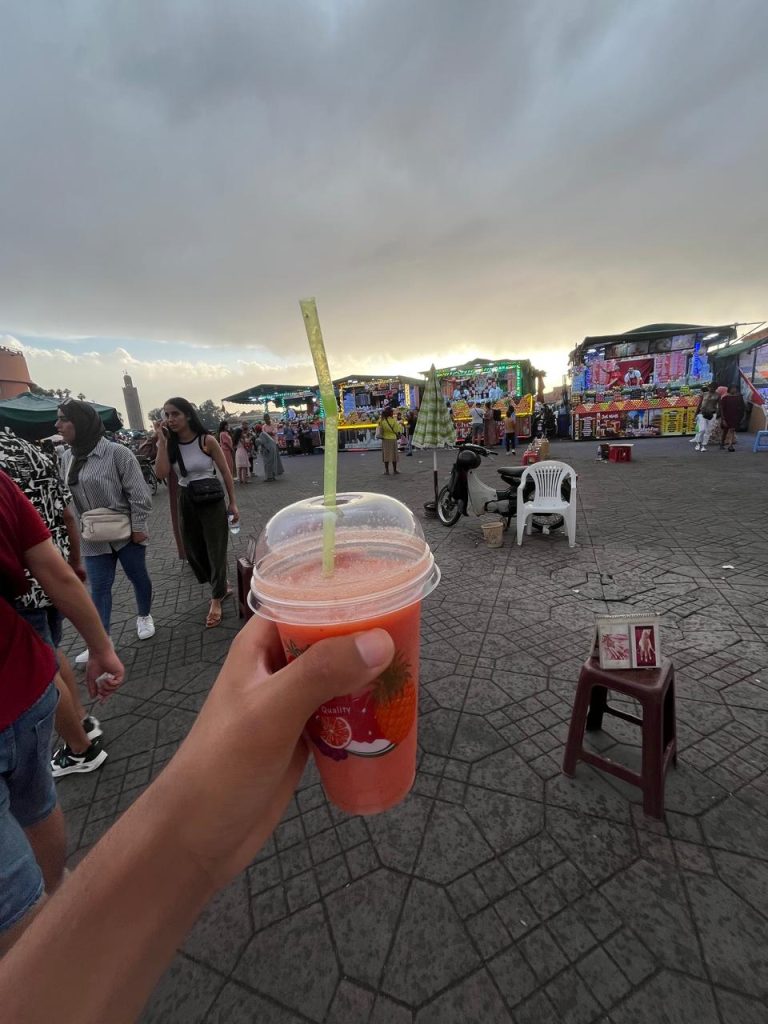
Jemaa el-Fnaa at sunset is something you don’t forget. As the sun goes down, the square slowly transforms. Food stalls light up, smoke rises into the air from grilling meat, and the smell of spices mixes with the evening breeze. You hear drums, flutes, and voices calling out from every direction. It’s busy, loud, and full of life, this is Marrakech at its most intense. When I’m here with my clients, I always tell them to just stand still for a moment and take it all in.
Don’t only walk through the middle of the square. Go up to a rooftop café like Café de France, order a mint tea, and watch everything from above. From there, it feels calmer, and you can really appreciate the rhythm of the square without the chaos at your feet.
3- Ben Youssef Madrasa
Ben Youssef Madrasa is one of the most peaceful places in Marrakech. The moment you step inside, the noise of the Medina disappears. What catches everyone’s eye first are the details, beautiful zellij tiles, carved cedar wood, and soft light reflecting on the marble courtyard. I’ve taken many travelers here, and even the most talkative ones suddenly go quiet. The craftsmanship is simply stunning, and every wall tells a story.
This wasn’t just a beautiful building, it was a school. At its peak, nearly 900 students studied here. If you go upstairs, you’ll see the tiny rooms where the students lived. No luxury, no comfort just a small space to sleep and study. When I point this out to my clients, they’re always surprised. It makes you see the madrasa not only as art, but as a place of real daily life and discipline.
4- Jardin Majorelle vs. Cactus Thiemann
Jardin Majorelle is one of the most famous places in Marrakech, and for good reason. The deep Majorelle blue, the exotic plants, and the calm paths create a beautiful contrast to the busy city outside. Many travelers have this garden at the top of their list, and when I visit with clients, they always love the colors and the design. It’s elegant, photogenic, and very well maintained.
because it’s so popular, Majorelle is often very crowded, especially during the day. If you want a quieter experience with impressive plants, I recommend Cactus Thiemann. It’s a bit outside the city and feels like a hidden gem. Huge cacti, open space, and hardly any crowds. When I take travelers there, they’re often surprised and say it feels much more relaxed and authentic a great alternative for plant lovers who want to breathe.
5- Bahia Palace
Bahia Palace shows the true brilliance of Moroccan architecture. It’s not about size or grand halls, but about detail and harmony. As you walk through its courtyards and rooms, you’ll notice colorful zellij tiles, carved plaster, and beautifully painted wooden ceilings. Everything was designed to impress, but in a refined, elegant way. When I guide tourists here, I often see them stop every few steps just to look around there’s always something new to notice.
What others miss: many visitors are confused because the palace is almost empty. There’s no furniture, and that’s the point. You’re supposed to focus on the craftsmanship itself. Look up at the ceilings, then down at the floor tiles that’s where the real beauty is. Once you slow down and observe these details, Bahia Palace becomes much more than just another historic building.
6- The Saadian Tombs
The Saadian Tombs are one of Marrakech’s quiet surprises. They date back to the Saadian dynasty in the 16th century and were built to honor royal family members. What makes them especially interesting is that they were sealed off and hidden for centuries. After the Saadian rulers fell, the entrance was closed, and the tombs were forgotten until they were rediscovered in 1917. That’s why they feel so well preserved today.
most visitors rush straight to the famous Chamber of Twelve Columns, and yes, it’s stunning marble columns, fine carvings, and perfect symmetry. But don’t skip the garden outside. It’s calm, green, and far less crowded. When I’m here with clients, I always suggest standing there for a moment. It’s the most peaceful part of the visit and a nice contrast to the busy streets just outside.
7- A Traditional Hammam
A hammam is more than just a spa experience — it’s a part of daily life in Morocco. The big difference between a tourist spa and a local bathhouse is the atmosphere. Tourist hammams are quiet, polished, and designed for relaxation. Local hammams are simple, busy, and very authentic. Families come weekly, neighbors chat, and everything feels real. When I suggest a local hammam to my clients, I always explain what to expect so there are no surprises.
What others miss: the scrub is very strong. Seriously. The attendant will scrub you hard with a rough glove, and it can feel strange at first. Some people even laugh in shock. But when you step out, your skin feels incredibly clean and soft. It’s an experience you won’t forget.
8- Maison de la Photographie
Maison de la Photographie is a small but powerful museum that many travelers overlook. Inside, you’ll find old black-and-white photos showing Morocco from over a century ago — daily life, landscapes, and people from another time. It gives you a deeper understanding of the country beyond monuments and markets. When I bring travelers here, they often tell me it’s one of the most interesting stops of the trip.
the rooftop café. It’s one of the best and cheapest lunches in the Medina, with beautiful views over the rooftops. Surprisingly, many big travel blogs skip this completely.
9- Dar El Bacha (Museum & Coffee House)
Dar El Bacha is one of the most elegant palaces in Marrakech. The architecture is breathtaking, detailed tiles, carved wood, and peaceful courtyards filled with light. The museum itself is worth the visit, especially if you enjoy history and design. Every room feels carefully crafted, and it’s a place where travelers naturally slow down.
What others miss: the coffee house inside is very famous. If you want to try it, go early. Otherwise, you’ll need to put your name on a list and come back one or two hours later. I always warn my clients about this so they can plan their time properly.
10- The Mellah (Jewish Quarter)
The Mellah is an important part of Marrakech’s history. For centuries, the Jewish community lived here, playing a major role in trade, craftsmanship, and culture. Walking through the area feels different from the Medina wider streets, balconies, and a quieter atmosphere. It’s a place that tells a deeper story of coexistence and shared history.
What others miss: the spice market in the Mellah. It’s often cheaper and feels more local than the ones near Jemaa el-Fnaa. When I take travelers there, they’re surprised by the prices and the relaxed vibe fewer sales pitches, more everyday shopping.
What the Big Travel Websites Didn’t Tell You
There are little things about Marrakech that rarely appear on big travel websites, but they can really change your experience. These are the tips I usually share with travelers once we’ve spent a day or two together, when they start asking, “So how does the city really work?”
The Friday Couscous tradition is one of them. Friday is a special day in Morocco, and for many families, couscous is the main lunch. Around midday, you’ll notice the city slow down a bit. Some small shops close earlier, and the atmosphere feels different, calmer, more communal. If you’re in Marrakech on a Friday, don’t see this as an inconvenience. It’s actually a beautiful moment to be here, when locals gather with family and friends.
Shopping without stress is another secret. If bargaining makes you uncomfortable, go to Ensemble Artisanal. It’s a government-run complex with fixed prices, quality crafts, and no pressure. Many big blogs skip it because it’s not “adventurous,” but for introverts or first-time visitors, it’s a blessing.
And finally, transport. Most blogs say “just take a taxi,” but taxis often overcharge tourists. Locals use apps like InDriver or Heetch. They work like Uber, show prices clearly, and are usually cheaper and easier. I always recommend my clients download them it saves money and avoids stress.
Practical Tips for a Good Trip
A few simple tips can make your time in Marrakech much smoother. What to wear: keep it simple and comfortable. Loose, breathable clothes are best for the heat and also more respectful, especially in the Medina and religious areas. You don’t need to dress like a local, just avoid very tight or revealing outfits. When I’m guiding travelers, this is one of the first things we talk about comfort matters here.
Water: never drink tap water. Always buy bottled water, even for brushing your teeth if you have a sensitive stomach. It’s an easy habit that can save you a lot of trouble.
Dealing with “helpers”: sometimes people will offer to guide you or say a street is closed. They usually expect money. If you’re not interested, just smile and say “Non, merci” and keep walking. No need to argue or explain, confidence and politeness work best in Marrakech.
Conclusion
Marrakech is a city you don’t just visit but you feel it. The colors, the sounds, the smells, the energy… sometimes it’s a sensory overload, and that’s exactly what makes it so special. It stays with you long after you leave. If you take your time, stay curious, and accept the chaos as part of the experience, the city will give you unforgettable memories.
I wish you a wonderful trip and many beautiful moments in the Red City. Don’t rush, get lost in conversations, and always say yes to a glass of mint tea, it’s part of the culture and the welcome.
And if you’re planning a tour in Morocco, or even if you just have questions, feel free to contact me. I run a tour company here, and I’m always happy to help even if you’re just asking.
Here are a couple of blog posts that can really help you if you’re planning a trip to Morocco: Riad vs Hotel in Morocco and Is Morocco Safe for Solo Travelers? I wrote both of them based on my experience as a local guide, and I did my best to be as helpful and honest as possible. They answer some of the most common questions travelers have before coming and can make your planning much easier.