

You’re planning a trip to Morocco and, like many travelers, you’re probably wondering where is the best place to sleep. Should you book a hotel, or should you try something more traditional?
As a local tour guide in Morocco, I always suggest experiencing a riad at least once. A riad is a traditional Moroccan house, usually located inside the old medina, built around a central garden or open courtyard. From the street, it may look very simple, but inside you’ll often find beautiful tiles, plants, fountains, and a peaceful atmosphere that feels far from the busy streets outside.
But don’t forget, riads are not perfect, and they are very different from hotels. In this blog post, we’ll be honest and clear about that. We’ll look at the real differences between riads and hotels, talk about the pros and cons of each, and help you decide which option fits your travel style best.
A Quick Comparison
| Feature | Riad | Hotel |
| Price | Usually affordable, with many great mid-range options | Can be cheap or very expensive, depending on the level |
| Location | Inside the old medina, close to souks and historic sites | Often outside the medina or in modern areas |
| Vibe | Traditional, calm, authentic Moroccan feeling | Modern, international, familiar |
| Comfort | Cozy and personal, but not always luxury-level | More standardized comfort and facilities |
Why You Will LOVE a Riad (The Pros)
Staying in a riad often feels like living in a small palace. You walk in from a narrow street, and suddenly you’re surrounded by beautiful tiles, traditional Moroccan decoration, plants, and sometimes a fountain in the center. Many travelers tell me this is one of the most memorable parts of their trip because it feels personal, authentic, and very different from a standard hotel experience.
Another thing people really love is the quiet. Even though riads are usually inside the busy medina, once the door is closed, the noise stays outside. No car sounds, no traffic, just calm. After a long day walking through souks and streets, this peaceful atmosphere is something you don’t expect and something you truly appreciate.
Finally, riads give you real human connection. Most are run by local owners or small teams who take time to talk with you, help you, and share honest advice. They’ll recommend local restaurants, explain how to get around, and give tips that only locals know. This kind of personal help is hard to find in big hotels.

The Hidden Problems of Riads
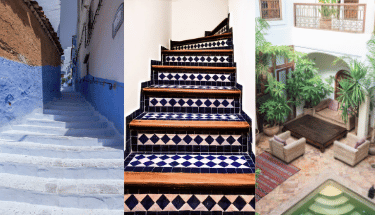
Now let me be honest with you, because this is something many blogs don’t really explain. Riads are beautiful, but they do come with a few challenges you should know before booking.
First, the stairs. Most traditional riads do not have elevators. Rooms are often on the first or second floor, sometimes even higher, and the stairs can be narrow. This can be difficult for older travelers, anyone with knee problems, or if you’re carrying heavy suitcases. I always advise travelers to pack light if they choose a riad.
Second, the temperature. Riads are built in a traditional way, which means they can feel cold in winter, especially at night, because stone walls hold the cold. In summer, they usually stay cooler than the street, but some rooms can still feel warm if there is no strong air conditioning. It’s not a big problem, but it’s something to be aware of.
Finally, finding the riad can be an adventure on its own. Google Maps often gets confused inside the medina, and taxis cannot drive to the door. Many first-time visitors get lost. This is why I always recommend using a porter a local person with a small cart who helps carry your bags and guides you through the narrow streets. It’s a normal service here and makes arrival much easier.
Why a Modern Hotel is sometimes better
Even though riads are special, there are times when a modern hotel simply makes more sense. As a local guide, I often recommend hotels depending on the traveler and the situation.
The biggest advantage is the easy factor. Taxis and private transfers can drive straight to the hotel door, which is a huge relief if you’re arriving late, traveling with luggage, or just tired. No walking through narrow streets, no getting lost, no porter needed.
Hotels also offer more amenities. We’re talking about big swimming pools where you can really relax, not just small dipping pools. Many hotels have gyms, elevators, room service, and large common areas. This is especially important for families, older travelers, or anyone who values convenience and comfort.
Another important point is that hotels are predictable. You know what to expect. The bed, the shower, the air conditioning everything works in a familiar way. For some travelers, especially after a long journey or busy days, this comfort and consistency is exactly what they want.

Who Are You? (The Decision Matrix)
If you’re a romantic couple, a riad is usually the perfect choice. The intimate atmosphere, candlelit courtyards, rooftop dinners, and quiet evenings create a very special mood that’s hard to find in a big hotel.
If you’re a business traveler or digital nomad, a hotel is often more practical. Reliable Wi-Fi, easy access, elevators, desks, and predictable comfort make it easier to work, take calls, and move around without stress.
If you’re traveling as a family with small kids or a stroller, I honestly recommend a hotel. Elevators, wide spaces, easy taxi access, and bigger rooms make daily life much simpler, especially when children are tired.
If this is your first time in Morocco and you really want to feel “real Morocco,” then choose a riad. It puts you right inside the medina, close to daily life, and gives you a deeper cultural experience from the first moment.
Pro-Tip: The “Split Stay” Strategy
Here’s one of the best pieces of advice I can give you, and honestly, most people don’t hear this before they arrive. You don’t have to choose only a riad or only a hotel you can do both.
Spend two nights in a riad at the beginning of your trip to enjoy the experience: the atmosphere, the architecture, the medina life, and that real Moroccan feeling. Then, for the last two nights, move to a modern hotel where you can relax, enjoy a proper pool, sleep comfortably, and prepare calmly for your flight. This simple split makes the trip much more enjoyable and balanced, and it’s something many travelers thank me for afterward.
Final Thoughts
In the end, Morocco is beautiful no matter where you sleep. Whether you choose a riad or a hotel, what truly matters is enjoying the culture, the people, and the moments that make your trip special. Each option has its own charm, and the right choice is simply the one that matches your travel style.
And one last friendly tip from a local: if you’re staying inside the medina, bring earplugs — early mornings and lively streets are part of everyday life here.
If you’re planning your trip to Morocco and need advice, routes, or a custom tour, feel free to contact me. I run a tour operator here in Morocco, and I’m always happy to help, even if you just have questions.