

Casablanca is generally safe for tourists in 2026, especially when compared to many major cities of similar size. Most visitors explore the city without serious problems, enjoy its coastal atmosphere, and visit landmarks like Hassan II Mosque without incident. However, like any large metropolitan area, Casablanca requires basic awareness and smart precautions.
The most common issue travelers may encounter is petty crime, particularly pickpocketing and phone snatching in busy areas, train stations, or crowded streets. Violent crime against tourists remains relatively rare. Some neighborhoods such as Casa Anfa, Maarif, Gauthier, and Racine (Triangle d’Or) are considered among the safest and most comfortable areas to stay, offering strong police presence, modern infrastructure, and good hotel options. On the other hand, visitors are advised to avoid districts like Sidi Moumen, Hay Mohammadi, and certain parts of Derb Sultan, especially after dark.
In this guide, you’ll find a clear, practical breakdown of crime levels, safe neighborhoods, areas to avoid, night safety, transport advice, and tips for solo and family travelers — so you can visit Casablanca confidently and prepared.
Quick Safety Overview (For Travelers in a Hurry)
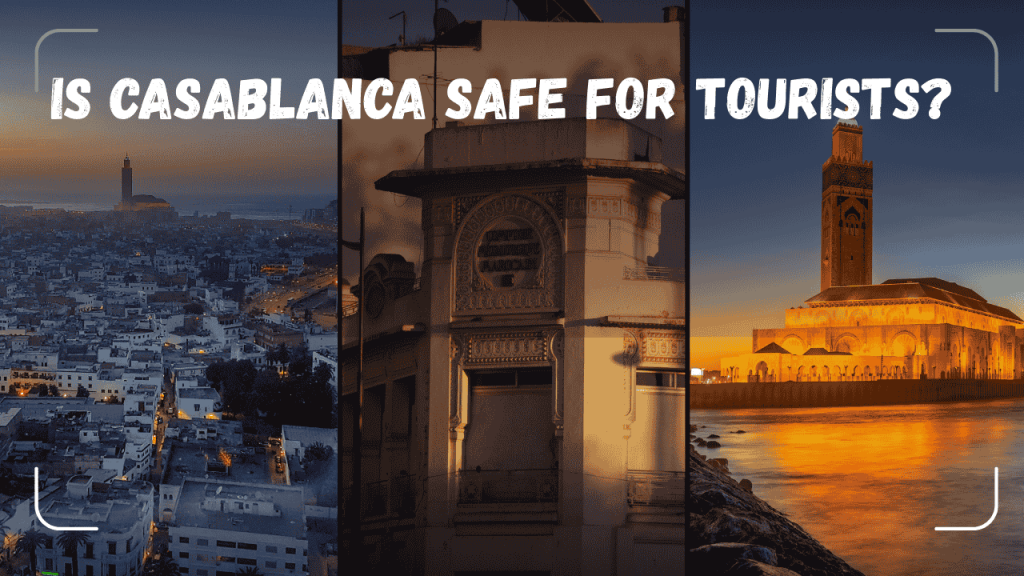
Overall Safety Rating (2026): 7.5–8/10
Casablanca is considered generally safe for tourists, especially in central and coastal districts. Most visits are trouble-free when travelers use normal urban precautions.
Violent Crime Level: Low
Violent crime targeting tourists is uncommon. Incidents are typically isolated and rarely involve visitors staying in central neighborhoods.
Petty Crime Level: Moderate
Pickpocketing, phone snatching, and minor scams are the most common issues. These usually occur in crowded areas, public transport hubs, or busy streets. Awareness significantly reduces risk.
Is Casablanca Safe at Night?
Yes, in well-lit and active areas such as the Corniche, central Maarif, Gauthier, and near major hotels. Avoid poorly lit side streets and unfamiliar outer districts after dark.
Is It Safe for Solo Travelers?
Yes. Solo male and female travelers visit Casablanca regularly. Basic precautions — staying in central areas, using official taxis, and avoiding isolated streets — are sufficient for most visitors.
Is It Safe for Families?
Yes. Families frequently visit sites like Hassan II Mosque and the Corniche promenade without safety concerns during daytime hours.
Emergency Numbers in Morocco:
• Police: 190
• Ambulance: 150
Bottom line: Casablanca is safe for prepared, aware travelers who stick to recommended areas and follow standard city safety practices.
Crime in Casablanca – What Tourists Should Really Expect
Casablanca is Morocco’s largest city and economic capital, so it naturally experiences the types of crime common in large urban centers. For tourists, the reality is straightforward: serious crime is rare, while petty theft and minor scams are the most likely issues. Most visitors spend several days in the city without any safety problems, especially when staying in central neighborhoods and following basic precautions.
Here is what travelers should realistically expect.
Petty Theft & Pickpocketing
Petty theft is the most common issue affecting tourists in Casablanca. Pickpocketing can occur in crowded environments such as tram stations, markets, busy shopping streets, and near major attractions like Hassan II Mosque. Train stations such as Casa Voyageurs and busy commercial districts also attract opportunistic thieves.
Typical scenarios include distraction techniques: someone asking for directions while an accomplice attempts to access a backpack pocket, or a light bump in a crowded tram. Backpacks worn loosely or open handbags are easier targets.
That said, incidents are usually non-violent and opportunistic rather than aggressive. Tourists who keep valuables secure, avoid displaying large amounts of cash, and use anti-theft bags significantly reduce their risk. Wearing crossbody bags, keeping phones out of back pockets, and staying alert in crowded spaces are generally sufficient precautions.
Phone Snatching & Bag Theft
Phone snatching is one of the more frequent street crimes in Casablanca. It typically happens when someone is using their phone near the edge of the sidewalk or holding it loosely while walking. In some cases, a person on a motorbike may grab a visible phone and drive away quickly.
Bag theft is less common but can occur in busy cafés or public spaces if bags are left unattended or placed on chairs without supervision.
The key prevention strategy is simple: avoid using your phone near traffic, keep it firmly in hand, and do not leave personal belongings unattended in public places. These crimes are opportunistic rather than targeted.
Violent Crime Risk
Violent crime affecting tourists in Casablanca is considered low. Assaults and armed robberies against visitors are uncommon, especially in central districts such as Maarif, Gauthier, Racine, and Casa Anfa.
Most reported violent incidents occur in outer residential districts not typically visited by tourists. Travelers who remain in well-known areas and avoid isolated neighborhoods at night are unlikely to encounter serious safety issues.
As with any major city, avoiding confrontations, not walking alone in poorly lit areas late at night, and using licensed taxis instead of wandering unfamiliar streets reduces risk further.
Scams Tourists Should Know About
Scams in Casablanca are generally mild and non-aggressive, but visitors should be aware of a few common situations:
Fake guides: Near major attractions, someone may offer unsolicited guiding services and later demand payment. Official guides carry identification badges. Politely decline offers from unofficial individuals.
Taxi overcharging: Some taxi drivers may refuse to use the meter or quote inflated prices for tourists. It’s best to confirm that the meter will be used before starting the ride or agree on a price in advance.
“Helpful locals”: A stranger may insist on helping you find a location and later request money. While many locals are genuinely helpful, unsolicited assistance in tourist areas can sometimes lead to pressure for payment.
ATM fraud: As in any large city, use ATMs located inside banks or shopping centers rather than isolated street machines. Cover the keypad and check for unusual devices attached to the card slot.
Overall, crime in Casablanca is manageable and predictable. With awareness and standard travel precautions, most visitors experience the city safely and comfortably.
Safest Areas to Stay in Casablanca

Choosing the right neighborhood makes a significant difference in your overall experience in Casablanca. While the city is generally safe, staying in central, well-developed districts reduces exposure to petty crime and improves convenience. The following neighborhoods are widely considered the safest and most comfortable for tourists.
Casa Anfa
Casa Anfa is one of the most modern and upscale districts in Casablanca. It is known for wide avenues, newer residential buildings, business offices, and a calm atmosphere. The area attracts professionals and expats, which contributes to a more controlled and orderly environment.
Why it’s considered safe:
Casa Anfa has consistent police patrols, modern infrastructure, and less street congestion compared to older districts. Crime rates here are relatively low, especially compared to outer residential neighborhoods.
Hotel density:
Several international and business-oriented hotels operate in or near Casa Anfa, making it a common choice for business travelers and higher-end tourists.
Atmosphere:
Clean, organized, and quieter than the city center. It feels more residential and structured, with fewer informal street activities.
Maarif
Maarif is one of the most popular areas for tourists. It is a lively commercial district filled with shops, cafés, restaurants, and shopping centers.
Why it’s considered safe:
High foot traffic, strong commercial activity, and regular police presence make Maarif one of the safest and most practical areas for visitors. Streets are well-lit at night, especially around main avenues.
Hotel density:
Maarif has a high concentration of mid-range and boutique hotels, along with serviced apartments. This makes it ideal for short stays and families.
Atmosphere:
Vibrant and energetic. It’s busy during the day and active in the evening, but not chaotic. Many tourists prefer Maarif for its balance between safety and convenience.
Gauthier
Gauthier is a central, slightly upscale neighborhood located close to key landmarks, including Hassan II Mosque.
Why it’s considered safe:
The area benefits from diplomatic offices, business centers, and consistent police visibility. Streets are generally clean and monitored.
Hotel density:
Several reputable hotels and well-rated apartments are located in Gauthier. It is popular with international visitors and business travelers.
Atmosphere:
Cosmopolitan and relaxed. Gauthier offers a mix of modern cafés, art galleries, and quieter streets compared to busier commercial zones.
Racine / Triangle d’Or
Racine and the nearby Triangle d’Or (Golden Triangle) represent one of the most upscale parts of Casablanca.
Why it’s considered safe:
Affluent residential buildings, embassies, and luxury boutiques contribute to a higher level of security. Police presence is visible but not intrusive.
Hotel density:
While not as dense as Maarif, the area includes high-end boutique hotels and premium apartments.
Atmosphere:
Elegant, calm, and refined. Streets are well-maintained and generally quieter at night compared to commercial districts.
For most tourists, staying in one of these four neighborhoods significantly minimizes safety concerns. Central location, visible policing, and active street life provide a comfortable environment for exploring Casablanca confidently.
Areas to Avoid in Casablanca (Especially at Night)

Casablanca is not a dangerous city overall, but like any large metropolitan area, some districts are less suitable for tourists — particularly after dark. These areas are not tourist zones, and visitors typically have no reason to go there.
Sidi Moumen
Located on the eastern outskirts of the city, Sidi Moumen is a working-class residential district. It has limited tourist infrastructure, fewer hotels, and lower police visibility compared to central neighborhoods. While many residents live there peacefully, it is not an area designed for visitors, especially at night.
Some parts of Derb Sultan
Derb Sultan is centrally located and historically significant, but certain inner streets can feel crowded and less structured. During the day, it is generally fine to pass through. After dark, especially in quieter side streets, it’s better to stick to more active neighborhoods.
Poorly lit industrial zones
Industrial areas on the city’s outskirts or near warehouses are not recommended for evening walks. These zones are simply not designed for pedestrian traffic and lack nightlife, security presence, or lighting.
The key point: these areas are not “no-go zones,” but they are not relevant for tourism. Staying in central districts like Maarif, Gauthier, Casa Anfa, or Racine avoids most concerns.
Is Casablanca Safe at Night?
Casablanca is generally safe at night in well-populated and well-lit areas. The city does not shut down after sunset — restaurants, cafés, and seaside promenades remain active, particularly in central neighborhoods.
Walking alone:
Walking alone at night in busy districts like Maarif or Gauthier is typically fine. However, avoid isolated streets, poorly lit alleys, or unfamiliar outer neighborhoods.
Corniche area:
The Corniche, along the Atlantic coast, is one of the safest and most active nighttime areas. It has restaurants, beach clubs, and visible security presence. Families and couples frequently visit in the evening.
Taxi vs walking:
If returning late from dinner or nightlife, using a licensed taxi is safer and more practical than walking long distances at night.
Nightlife safety:
Casablanca has a moderate nightlife scene. Incidents involving tourists are rare, but standard precautions apply — monitor drinks, avoid excessive intoxication, and use official taxis when leaving venues.
Overall, nighttime safety depends largely on location and common sense rather than major security concerns.
Is Casablanca Safe for Solo Female Travelers?
Casablanca is visited by solo female travelers regularly, and serious safety incidents are uncommon. However, women may experience catcalling or unwanted attention, particularly in busy public areas.
Harassment reality:
Verbal harassment (such as staring or comments) can occur, especially if walking alone in less busy neighborhoods. It is usually non-physical but can feel uncomfortable.
Cultural context:
Morocco is socially conservative compared to Western Europe. While Casablanca is more modern than many Moroccan cities, cultural norms still influence street behavior.
Dress expectations:
There is no legal dress code, but modest clothing can reduce unwanted attention. Many female visitors dress casually while avoiding very revealing outfits.
Practical strategies:
- Stay in central districts
- Walk confidently and avoid engaging with persistent strangers
- Use official taxis at night
- Choose reputable hotels
- Consider guided tours for certain activities
Thousands of women travel solo in Casablanca every year. With awareness and basic precautions, it is considered manageable and generally safe.
Is Casablanca Safe Compared to Marrakech or Fes?

Safety varies slightly between Moroccan cities, largely due to tourism patterns.
Casablanca vs Marrakech:
Marrakech has higher tourist traffic, which means more scams and aggressive sales tactics, especially in the medina. Casablanca experiences less tourist-targeted harassment but more typical big-city petty crime.
Casablanca vs Fes:
Fes’ old medina can feel more intense due to narrow alleys and persistent guides. Casablanca is more modern and easier to navigate, which many travelers find more comfortable.
Casablanca vs Rabat:
Rabat, the capital, is generally considered the calmest and most orderly city in Morocco. Casablanca is busier and more commercial but still safe when staying in recommended areas.
Overall, Casablanca is comparable in safety to other major Moroccan cities, with fewer tourist scams than Marrakech and fewer navigation challenges than Fes.
Transport Safety in Casablanca
Transportation in Casablanca is generally reliable when using official services.
Taxis
Casablanca has two types of taxis: petit taxis (within the city) and grand taxis (longer routes).
- Always ensure the meter is used in petit taxis.
- If a driver refuses, agree on a price before departure.
- Use clearly marked official taxis rather than informal rides.
Taxi safety is generally good, and violent incidents are rare.
Trams
The Casablanca tram system is modern, clean, and widely used by locals. It is considered safe during the day and early evening. Like in any public transport system, keep an eye on belongings during peak hours.
Trains
Casa Voyageurs station connects Casablanca to other cities. Trains operated by ONCF are reliable and considered safe. Standard precautions apply in crowded stations.
Airport Transfers
For arrivals at Mohammed V International Airport, official airport taxis and pre-booked transfers are recommended. Avoid accepting unsolicited rides outside the terminal.
Health & Medical Safety
Healthcare access in Casablanca is strong compared to many regional cities.
Tap water:
Tap water is treated, but many visitors prefer bottled water to avoid minor stomach discomfort.
Hospitals:
Casablanca has several reputable private hospitals with modern facilities. Public hospitals are available but may be crowded.
Pharmacies:
Pharmacies are widespread and well-stocked. Many pharmacists speak basic English or French.
Travel insurance:
Comprehensive travel insurance is strongly recommended, particularly for medical emergencies or unexpected hospitalization.
Medical risk for tourists is low, and healthcare access is generally reliable.
Terrorism & Political Stability
Morocco is considered politically stable compared to many countries in the region. Security services maintain visible presence in major cities, including Casablanca.
Police patrols are common in central districts and near key landmarks like Hassan II Mosque. Morocco has implemented strong counter-terrorism measures over the years.
The realistic risk of terrorism affecting tourists is considered low. There are no current widespread security concerns specific to Casablanca.
Visitors are unlikely to encounter political unrest. Demonstrations are rare and typically peaceful.
Practical Safety Tips for Visitors
To minimize risk while visiting Casablanca:
- Keep valuables hidden and avoid displaying expensive items
- Use hotel safes for passports and extra cash
- Avoid isolated or poorly lit streets at night
- Stay in central neighborhoods (Maarif, Gauthier, Casa Anfa, Racine)
- Use licensed taxis and confirm meter usage
- Be cautious of unsolicited “guides”
- Keep your phone secure near traffic
- Use ATMs inside banks or shopping centers
- Avoid carrying large amounts of cash
- Purchase comprehensive travel insurance
Following these practical steps allows most travelers to explore Casablanca safely and confidently.
Frequently Asked Questions
Is it safe to use ATMs in Casablanca?
Yes, using ATMs in Casablanca is generally safe, especially when you choose machines located inside banks, shopping centers, or major hotels. These locations are monitored and reduce the risk of card skimming or distraction theft. Avoid isolated street ATMs late at night. As a precaution, shield the keypad when entering your PIN and check the card slot for anything unusual. Inform your bank before traveling to prevent card blocks.
Can I drink alcohol in Casablanca?
Yes, alcohol is legal in Casablanca and widely available in licensed restaurants, hotel bars, and certain supermarkets. Many international hotels serve alcohol without restrictions. However, drinking in public spaces (such as streets or beaches) is not permitted and can result in fines. Visitors should consume alcohol discreetly and respectfully, especially during religious periods.
Is it safe to walk near Hassan II Mosque?
Yes, walking near Hassan II Mosque is generally safe. The mosque area is one of the most visited and monitored parts of the city, with visible security presence and regular police patrols. During the day, it attracts tourists, families, and locals enjoying the oceanfront promenade. At night, the area remains relatively safe, but as always, stick to well-lit sections and avoid empty side streets.
Is Casablanca safe during Ramadan?
Yes, Casablanca remains safe during Ramadan. Daily life continues normally, though business hours may adjust. Restaurants catering to tourists and hotel dining facilities remain open. Visitors should be respectful by avoiding eating or drinking in public during daylight hours. Safety levels do not significantly change during this period.
Is Uber Available in Casablanca?
Yes. Uber operates in Casablanca as of late 2025 and into 2026. You can book rides through the Uber app, including standard vehicle options. Availability may vary by area and time of day, but service is active in the city. Licensed taxis are also widely available if needed.
Conclusion
Yes — Casablanca is generally safe for tourists who take standard urban precautions. It is not a resort town, but a working metropolitan city with business districts, coastal promenades, and cultural landmarks. Petty theft exists, as it does in most large cities, but serious crime affecting tourists is uncommon.
By staying in recommended neighborhoods, using licensed transportation, and maintaining awareness of your surroundings, most visitors experience Casablanca without incident. The city offers a different side of Morocco — modern, coastal, and less tourist-saturated than Marrakech or Fes.
If you approach Casablanca with realistic expectations and practical preparation, it is absolutely worth visiting — safe, manageable, and culturally rewarding.